
The Resurrection of Jesus: What It Means for Christians Today
The resurrection of Jesus means that Jesus was crucified, buried, and raised from the dead on the third day, and Christians believe that changes everything. It’s not just a symbol of hope. It sits at the center of the gospel, gives Easter its meaning, and grounds the belief that new life is real now, not only someday.
Key takeaways
- The New Testament records the resurrection as a 3-part claim: Jesus died, was buried, and was raised on the third day.
- 1 Corinthians 15:3-8 names 5 witness groups, which is why Christians treat the resurrection as a public event, not a private idea.
- The first-century setting matters because resurrection meant a real bodily raising, not a vague spiritual survival.
- Today, the resurrection gives Christians 1 living hope: Jesus is alive, so prayer, forgiveness, and trust are directed to a present Savior.
- Your next step is simple: read Matthew 28, Luke 24, John 20, and 1 Corinthians 15 together, then ask what changes if Jesus really rose.
What the Bible Says Happened at the Resurrection
The Bible says Jesus died, was buried, and then was raised, and the empty tomb marks the turning point in the story. Matthew 28:1-10, Mark 16:1-8, Luke 24:1-12, John 20:1-18, and 1 Corinthians 15:3-8 all make the same central claim in different voices: the tomb was empty, Jesus had risen, and the first witnesses were women and disciples sent to tell others.
Matthew highlights the angel’s words at the tomb: “He is not here; for He has risen, as He said” (Matthew 28:6). Luke gives the same core message in shorter form, “He is not here, but has risen” and “Remember how He told you” (Luke 24:6-7). John shows Mary Magdalene going to the tomb early, then meeting the risen Jesus face to face, and grief becomes witness (John 20:1-18).
These accounts are not identical, but they agree on the facts that matter. The women are the first to find the tomb empty, the disciples are slow to believe, and Jesus appears alive in a way that turns fear into testimony. That pattern matters because it sounds like eyewitness testimony, not a polished legend designed to avoid hard questions.
Paul’s summary in 1 Corinthians 15:3-8 is especially important because it’s brief, early, and public. He says Christ died for our sins, was buried, was raised on the third day, and appeared to Cephas, the Twelve, more than 500 brothers at one time, James, all the apostles, and then to Paul himself. That’s why Christians do not treat the resurrection as a side note. It is the event the message stands or falls on.
The empty tomb is central because it means the resurrection was not just an inner feeling or a metaphor about hope. Jesus was not merely remembered fondly after death. The Christian claim is that God acted in history, raised His Son, and confirmed everything Jesus said about Himself.
What Christians Believe the Resurrection Means
- Jesus is alive today, so Christian faith is directed toward a living Savior, not only a teacher from the past.
- The resurrection confirms Jesus’ victory over sin and death, which is why Easter is proclamation, not only remembrance.
- The resurrection of Jesus is tied to salvation and new birth, and 1 Peter 1:3 says believers are born again to a living hope through His resurrection.
- Christians believe Jesus’ bodily resurrection guarantees the future resurrection of believers, so death does not get the final word.
- The empty tomb changes the meaning of the cross because it shows the sacrifice was accepted and the saving work of Jesus was completed.
- A risen Savior can be trusted, obeyed, and prayed to now, while a distant religious figure can only be admired from afar.
Why Resurrection Language Mattered in the First Century
Resurrection language was striking in the first century because early Christianity grew inside Jewish life and then spread into the Greco-Roman world. A peer-reviewed study in Andrews University Digital Commons notes that Christian faith arose in the context of Early Judaism in the Greco-Roman world, and the Religious Studies Center at BYU explains that early Christians defined themselves in relation to both Jews and the wider ancient Mediterranean world. That setting shaped how shocking the resurrection claim sounded.
In that world, resurrection did not mean a vague spiritual survival or a private feeling after death. In Second Temple Jewish expectation, it meant God would raise the dead, on a real body, after a real execution. That’s why the claim about Jesus was so disruptive: it confronted death as an enemy and announced that God’s power outranked the powers of empire, shame, and the grave.
For Jews, the claim pressed on long-held hope that God would raise the dead. For Gentiles in the Greco-Roman setting, it challenged the common assumption that death ended the story in a way honor and status could not touch. The early church used resurrection language to say plainly that Jesus was not only crucified but vindicated by God, and that this changed who His people were and what they were waiting for.
That historical context still matters because it keeps the resurrection from being reduced to a slogan. When Christians say “Christ is risen,” they are not repeating a vague religious idea. They are claiming that God stepped into time, raised Jesus, and launched the hope that now defines the church’s identity and future.
How the Resurrection of Jesus Shapes Christian Life Today
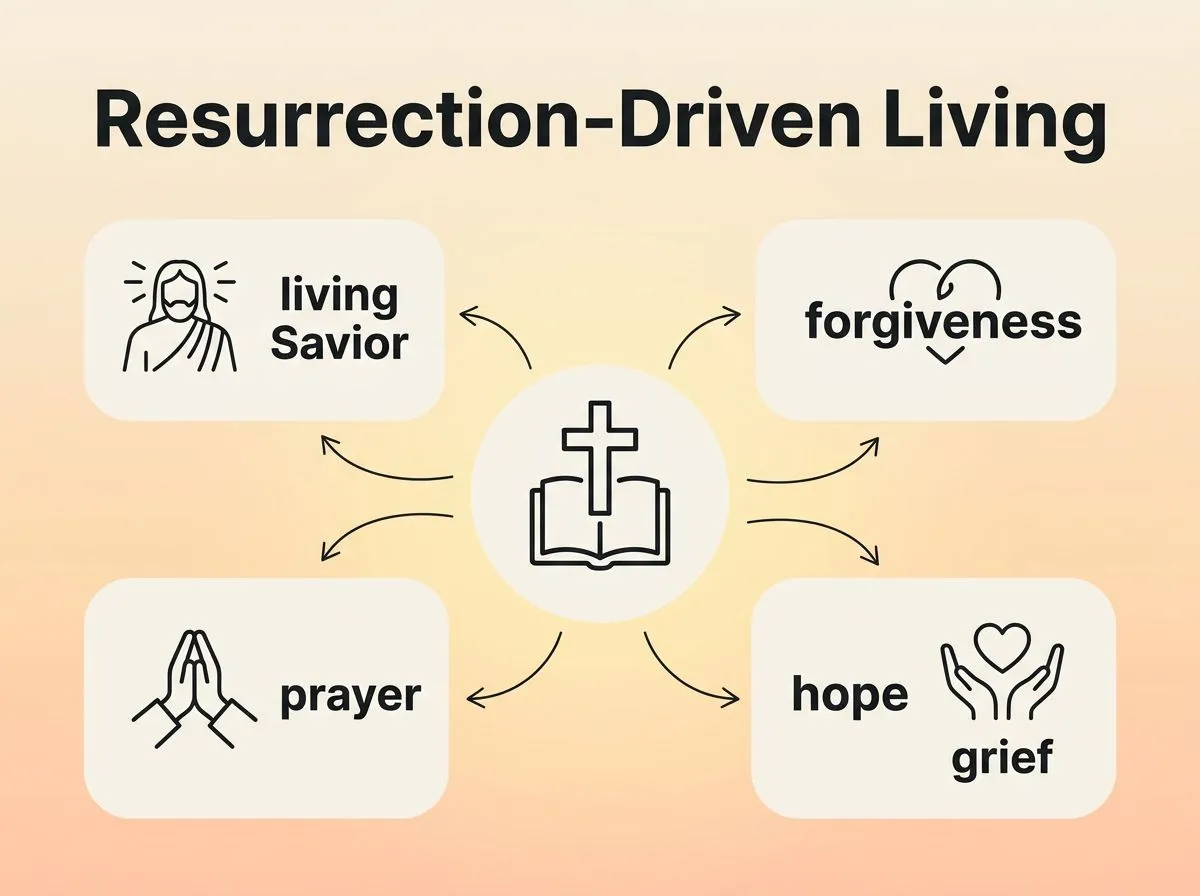
- Trust Christ as the living Savior. If Jesus is raised, then your faith is not built on a memory but on a present Lord who hears prayer, gives forgiveness, and keeps His promises.
- Face grief with hope, because resurrection hope says death and loss are real but not ultimate. That changes how you sit with a hospital room, a cemetery, or a painful goodbye.
- Live differently in daily choices. Romans 6:4 ties baptism to new life, which means you do not have to keep living as if your old patterns own you.
- Treat Easter as a pattern, not just a holiday. The resurrection teaches you to expect God’s life to break into ordinary days through worship, repentance, courage, and obedience.
- Read one resurrection passage this week, then pray honestly for help to live as someone raised with Christ. The point is not information alone, but a changed response.
- Practice one concrete act of resurrection-shaped faith, such as forgiving someone who hurt you, because a risen Christ gives you a stronger reason to release bitterness than fear gives you to hold it.
What the Resurrection Means for Your Next Step
The resurrection of Jesus means you can trust God with both your sins and your future. If Jesus is alive, then forgiveness is real, hope is not fragile, and suffering is not the final chapter. That’s why the Christian message still centers on the empty tomb and the living Christ, not on human optimism.
The clearest response is simple: believe, read, pray, and act. Start with Matthew 28:1-10 or John 20:1-18, then pray, “Jesus, help me trust that You are alive and let that change my decisions this week.” The first followers did not merely admire the risen Lord, they went and told what they had seen, and that is still the shape of Christian faith today.
Verification Checklist
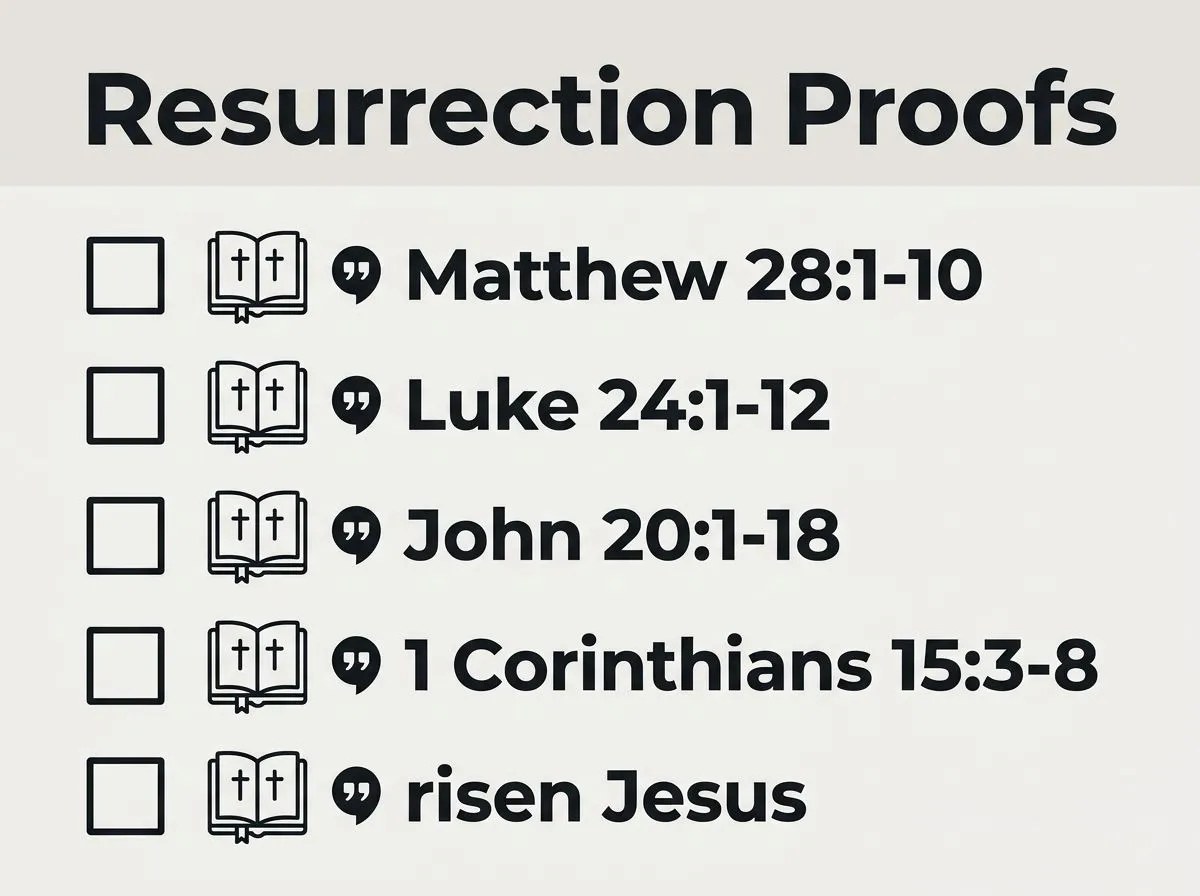
- Read Matthew 28:1-10, Luke 24:1-12, John 20:1-18, and 1 Corinthians 15:3-8, and confirm that each passage presents Jesus as risen, not merely remembered.
- Check whether your understanding of Easter leads to worship of a living Savior, and not only to appreciation of a religious holiday.
- Pray through Romans 6:4 and ask whether your daily habits show any real movement toward new life in Christ.
- Choose one concrete act of obedience this week, such as forgiveness or renewed prayer, and make sure it reflects resurrection hope in a visible way.
Frequently asked questions
Is the resurrection of Jesus meant to be understood as physical or spiritual?
In historic Christian teaching, it is physical and real, not merely symbolic or a private feeling after death. The empty tomb and Jesus’ appearances to witnesses, including Mary Magdalene and the apostles, are presented as evidence of a bodily resurrection.
Why do the Gospels tell the resurrection story with slightly different details?
They tell the same core event from different angles, emphasizing different witnesses and moments. That is why Matthew, Luke, John, and 1 Corinthians 15 agree on the empty tomb and the risen Jesus, even though they do not repeat every detail in the same order.
What does 'on the third day' mean in the resurrection passages?
It refers to the timing of Jesus rising after His crucifixion, and it also reflects Scripture-shaped expectation in the early Christian message. The phrase became part of the earliest public proclamation, especially in Paul’s summary in 1 Corinthians 15:3-8.
How does 1 Corinthians 15 support belief in the resurrection?
Paul presents Jesus’ death, burial, resurrection, and appearances as the heart of the gospel, not a side note. He also names specific witnesses, including Cephas, the Twelve, more than 500 brothers at one time, James, all the apostles, and himself, which grounds the claim in testimony.
Why does the resurrection matter if I already believe Jesus was a good teacher?
Because the resurrection is what Christians say confirms Jesus’ identity, victory over sin and death, and the acceptance of His saving work. Without it, the message loses its living hope and becomes only a record of wise words from the past.

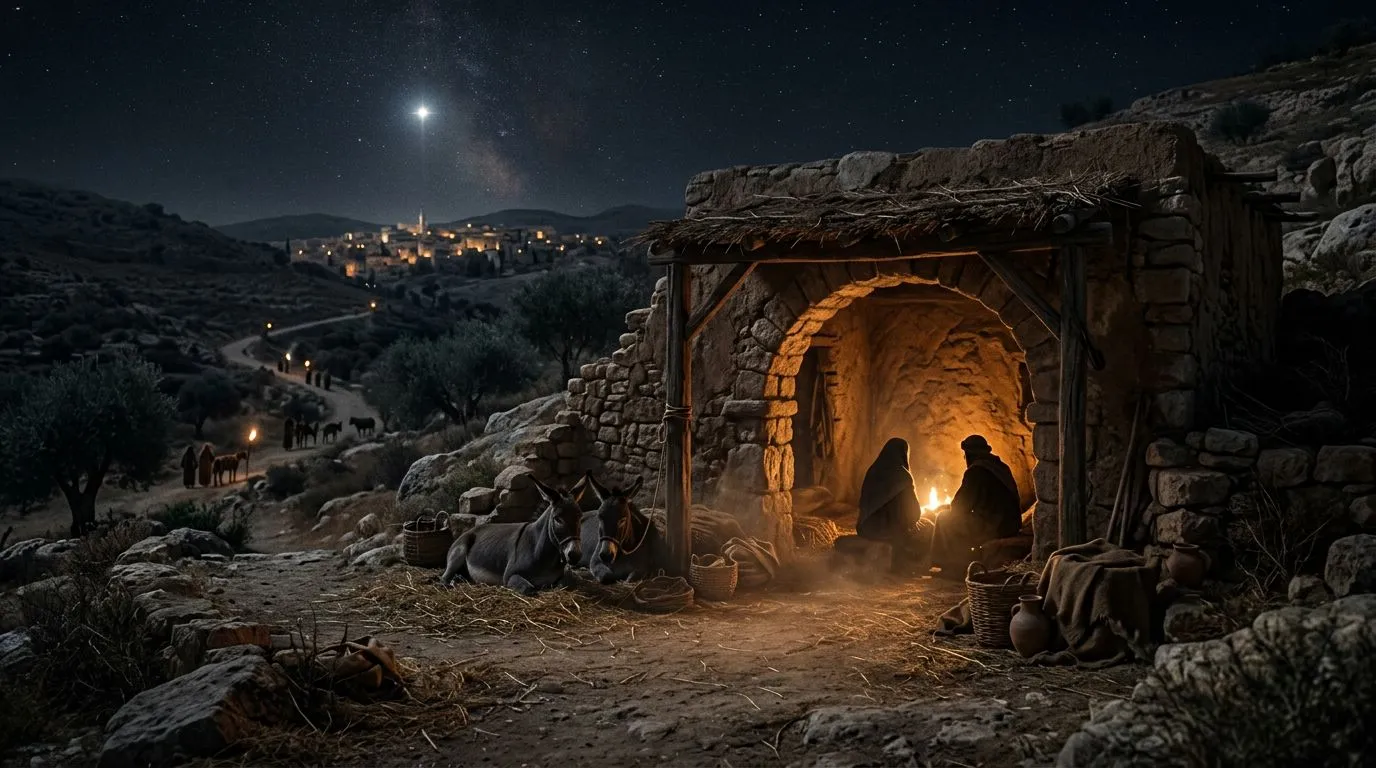
The Life of Jesus Christ: From His Birth to Resurrection
See how Matthew, Mark, Luke, and John trace Jesus from birth to the empty tomb, and why the differences matter.

What Jesus Taught About Forgiveness and Second Chances
Jesus ties forgiveness to mercy, repentance, and love for enemies. Learn how His teaching shapes real forgiveness and wise boundaries.

What Jesus Taught About Faith, Trust, and Believing in God
Jesus teaches faith as personal trust in Him. Learn what that means, how it differs from works, and how to live it daily.

What Jesus Taught About Love: Lessons for Everyday Life
Jesus taught love as sacrifice, obedience, and action. Learn how that shapes your words, choices, and relationships each day.