
What Jesus Taught About Faith, Trust, and Believing in God
If you’re staring at a hard diagnosis, a job loss, or a decision you can’t control, Jesus doesn’t ask you to act like everything’s fine. He calls you to trust God, lean on Him personally, and come to Him with your need. In the Gospels, faith is not just agreeing that God exists, it’s putting your whole confidence in Christ and responding to what He says.
Key takeaways
- Jesus defines faith as personal trust, not just agreement with facts, and that trust is shown in John 14:1 and John 11:25.
- A small but real faith can still obey Jesus, as seen in Matthew 17:20 and Mark 9:24.
- Works do not earn salvation, but they do show whether faith is alive and active.
- Daily trust starts with honest prayer, especially when fear or doubt is strong.
What Jesus Meant by Faith
Jesus meant faith as personal trust in Him, not simple agreement with facts. In John 14:1, He says, “Believe in God; believe also in me,” and in John 11:25, He says, “I am the resurrection and the life,” tying belief to His own identity and promise.

That matters because biblical faith is relational before it is emotional. You are not placing confidence in an idea, but in Jesus Himself, the One who speaks, acts, saves, and keeps His word.
That’s why many Bible teachers describe faith as receiving Christ, not just knowing about Him. Desiring God notes that believing “is a receiving of Jesus,” while Clearly Reformed says Christian faith “embraces Jesus and stays with Jesus.” They’re saying the same thing in plain words: faith is an act of the soul that comes to Christ and rests there.
That also clears up a common mistake. Faith is not a checklist, and it is not an empty feeling you can work up on command. It is active trust in a real Person, which means even weak faith can still be real faith if it is directed toward Jesus.
How Jesus Showed Belief and Trust in the Gospels
| Passage | Key wording about faith or trust | What Jesus is asking the listener to do | Practical meaning for the reader today |
|---|---|---|---|
| John 14:1 | “Believe in God; believe also in me” | Shift your confidence to Jesus Himself | Trust Christ when your heart starts spiraling |
| John 11:25 | “I am the resurrection and the life” | Believe His identity and promise over death | Anchor hope in Jesus, not in outcomes you can control |
| Matthew 17:20 | “If you have faith like a grain of mustard seed” | Stop measuring faith by size and start acting on it | Small, real faith can still move you to obey |
| Mark 9:24 | “I believe; help my unbelief!” | Bring weak faith honestly to Jesus | Pray with honesty instead of waiting to feel strong |
The pattern stays the same: Jesus does not praise detached religious agreement, He calls for a response. In John 14:1, the listener must move from trouble to trust. In John 11:25, the listener must trust His claim about life and death. In Matthew 17:20, the issue is not spiritual performance, but whether the person will act on Christ’s word.
That’s why the father in Mark 9:24 matters so much. He doesn’t clean up his doubt before he comes to Jesus. He brings both belief and weakness into the same prayer, and that’s often what real faith looks like on a hard day.
The practical difference is simple. Hearing Jesus is not the same as trusting Jesus. A person can admire His teaching, quote His words, and still refuse to rest in Him when obedience gets costly.
Faith Versus Works: What Jesus' Teaching Does and Does Not Mean
Salvation is by grace through faith, not by earning God’s favor through moral effort. Ephesians 2:8-9 says the gift is God’s, not our works, and Romans 3:10-20 makes the deeper problem clear: human beings do not rescue themselves from sin by trying harder.
That does not make obedience optional. It means works are the fruit of faith, not the price of admission. Focus on the Family puts it plainly: we do not earn our way into heaven by good deeds, but by placing our confidence in Jesus Christ.
Jesus’ teaching fits that same pattern. He calls people to repent, follow Him, and obey, but those actions flow from trust in who He is. If you try to obey in order to prove yourself to God, you end up performing. If you trust Christ first, obedience becomes a response of love and gratitude.
This is where confusion often starts. Some people turn faith into a vague feeling, while others turn works into a scorecard. Neither approach matches the Gospel. Renew.org describes trusting God as a concrete commitment of faith and allegiance, which fits the Bible’s language better than treating belief like a mood.
A living faith will show itself in mercy, repentance, and obedience, but those actions do not create salvation. They reveal that the person has actually received Christ. That is the difference between trying to impress God and learning to walk with Him.
What Jesus' Teaching Means for Daily Trust in God
Daily trust in God starts with telling the truth about your fear and then bringing it to Jesus. When the father in Mark 9 prayed, “I believe; help my unbelief,” he gave believers a model for honest prayer that doesn’t hide weakness.

1. Pray honestly when your faith feels weak
Say to God what is actually happening in you. If your confidence is thin, say that. If your worry is louder than your hope, say that too. Jesus is not asking for polished religious language, He is asking you to come to Him.
2. Use Jesus’ words as your focus
Hold on to John 14:1 when your thoughts start racing: “Believe in God; believe also in me.” Use Matthew 17:20 when you feel disqualified by the size of your faith. The point is not to recite verses mechanically, but to let Jesus’ words redirect your attention from yourself to Him.
3. Choose one concrete act of obedience
If you say you trust God, let that trust show up in one decision today. That may mean making the phone call you’ve avoided, telling the truth, forgiving someone, or taking the next right step without demanding every answer first. Trust becomes visible when it changes what you do.
4. Bring your fear, decisions, and needs to Jesus
Do not carry every burden as if you were the savior of your own life. When you face pressure, bring the decision to Christ in prayer and then move according to what His word already teaches. Trust is not passivity, it is dependence that still acts.
5. Hear, believe, respond
A simple daily pattern helps: hear Jesus’ words, believe them, and respond in obedience. That keeps faith from becoming either a feeling you chase or a theory you admire. It puts your life where Jesus has always put faith, on Him.
If you want a short test for your own heart, ask this: am I using faith language to delay obedience, or am I using Jesus’ words to guide my next step? That question is often where the issue becomes clear.
Jesus taught faith as personal trust in Him, receiving Him as Savior, and living in response to His word. So the next step isn’t to force stronger feelings, but to come to Christ honestly, believe what He says, and act on it today. That’s where faith becomes real in ordinary life.
Frequently asked questions
What does Jesus mean when He says, 'Believe in God; believe also in Me'?
He is calling you to place your confidence in Him the same way you trust the Father, not merely to agree that He exists. In John 14:1, the point is a personal shift of trust from fear and circumstances to Jesus Himself, the One who speaks, saves, and keeps His word.
Is faith the same as trusting God?
They overlap, but they are not always used in exactly the same way. Faith is the inner confidence that rests in who Jesus is, and trust is that faith showing up in how you respond when obeying Him costs something or when you do not see the outcome yet.
Can someone have faith and still struggle with doubt?
Yes. Mark 9:24 shows that honest faith can admit weakness and still come to Jesus for help, and Matthew 17:20 says even faith like a mustard seed is real faith. The issue is not having zero questions, but bringing both belief and unbelief to Christ instead of hiding them.
Do good works save you?
No. The article points to salvation by grace through faith, not by earning God’s favor through moral effort. Good works matter, but they are the fruit of living faith, not the price you pay to be accepted by God.
What passage best summarizes Jesus and faith?
John 14:1 is a strong summary because Jesus directly links belief in God with belief in Himself. John 11:25 adds another clear picture by tying faith to His identity as “the resurrection and the life,” showing that biblical faith rests on who Jesus is, not just on religious agreement.


The Life of Jesus Christ: From His Birth to Resurrection
See how Matthew, Mark, Luke, and John trace Jesus from birth to the empty tomb, and why the differences matter.

What Jesus Taught About Forgiveness and Second Chances
Jesus ties forgiveness to mercy, repentance, and love for enemies. Learn how His teaching shapes real forgiveness and wise boundaries.

What Jesus Taught About Love: Lessons for Everyday Life
Jesus taught love as sacrifice, obedience, and action. Learn how that shapes your words, choices, and relationships each day.
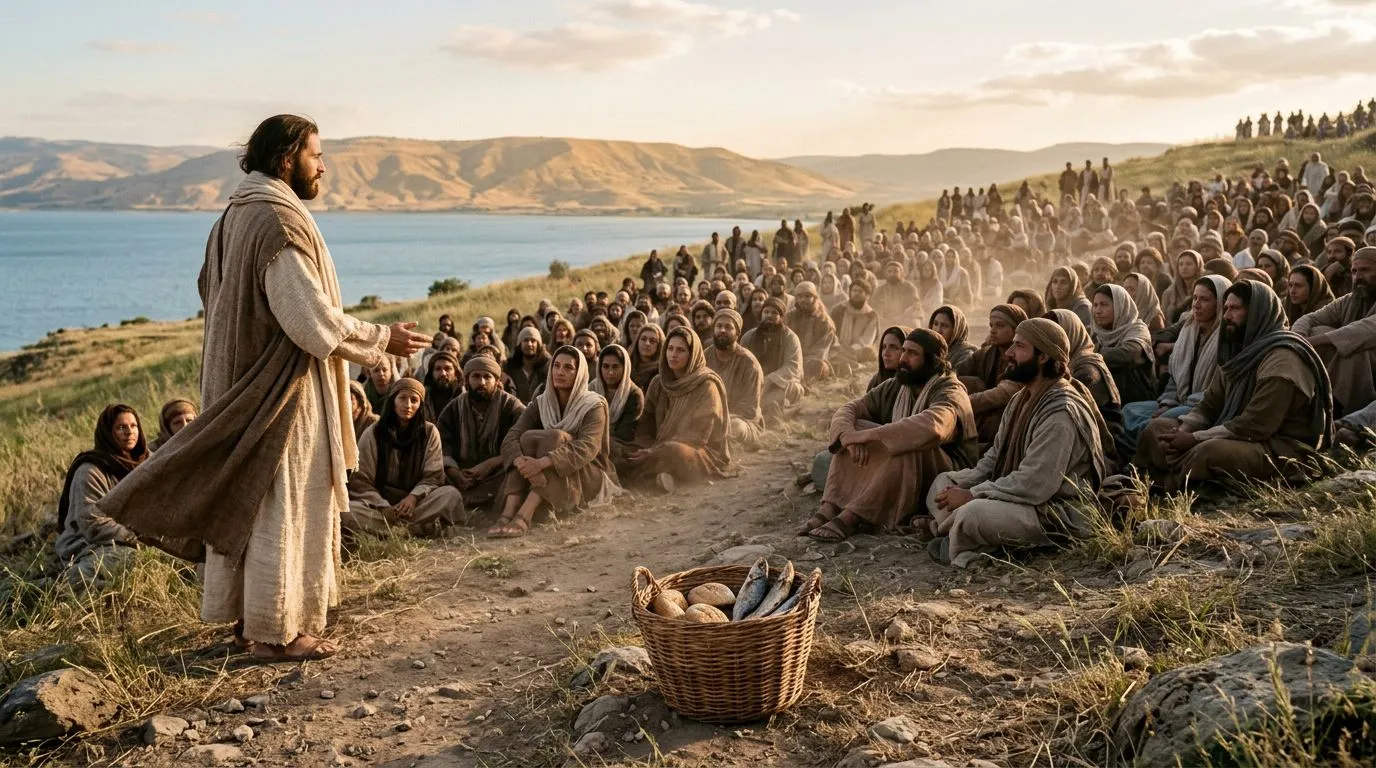
The Miracles of Jesus and What They Teach Us About Faith
Jesus’ miracles are signs that reveal who He is and call you to trust Him. See what they teach about faith, compassion, and hope.