
Powerful Prayer for God's Protection Over You and Your Family
If you want a prayer for protection over yourself and your family, begin with Scripture, say exactly what you need, and ask God to cover your home, your loved ones, and your daily steps. A strong protection prayer is plain, honest, and rooted in faith, and when there is immediate danger, it should go hand in hand with real safety action.
Key takeaways
- Use 5 key Bible passages, especially Psalm 91 and Psalm 23, to shape your protection prayer.
- Name 4 specific areas in your prayer: home, travel, sleep, and family peace.
- Pair prayer with action immediately if there is danger, injury, fire, or a medical emergency, and call 911.
- Pray in simple words every day, then keep returning fear to God instead of replaying it all day.
Which Bible passages are most often used in a prayer for protection?
- Psalm 91 is one of the clearest prayers of refuge, shelter, and trust in God’s covering, and it gives you language for asking Him to hide you under His protection.
- Psalm 23 pictures God as Shepherd, guide, and defender, which makes it helpful when you need calm confidence rather than panic.
- Matthew 6:13 from the Lord’s Prayer asks God to deliver us from evil, and it keeps protection prayer rooted in Jesus’ own words.
- Deuteronomy 31:8, Hebrews 13:5, and 2 Timothy 1:7 speak directly to fearful moments by reminding you that God goes before you, will not forsake you, and gives power, love, and a sound mind.
These passages matter because each one speaks to a different need within the same prayer. Psalm 91 fits danger and uncertainty, Psalm 23 steadies your heart, Matthew 6:13 keeps the prayer centered on Christ, and the other three passages help when fear is loud and your faith feels thin.
How do you pray a simple prayer for protection over yourself and your family?
- Begin by speaking to God directly and naming Him as refuge, fortress, and protector. A simple opening like, “Lord, You are my shelter,” keeps the prayer focused on God’s character instead of your fear.
- Ask specifically for protection over yourself, your home, and your family. Name what matters most, such as travel, sleep, work, children, marriage, and peace in your home, because honest detail makes the prayer personal.
- Include surrender by asking for God’s will and help to trust Him fully. This is where you release the need to control every outcome and ask Him to guide what you can and cannot see.
- Close with gratitude and confidence, such as praying in Jesus’ name or affirming God’s faithfulness. That ending matters because it turns the prayer from panic into trust.
A simple protection prayer does not need polished words. It needs faith, clarity, and a real request, which is why many believers find it helpful to pray Scripture back to God in their own words.
What spiritual practices often go with prayer for protection?
- Forgiveness, so prayer is not tangled up with resentment or bitterness.
- Speaking Scripture over your home and family as an act of faith.
- Surrendering fear and placing daily worries into God’s hands.
- Using Ephesians 6 language about the armor of God as a reminder of spiritual readiness.
Those practices support a protection prayer because they keep the heart from splitting between trust and fear. A prayer for protection grows steadier when it is joined to forgiveness, Scripture, and a deliberate choice to hand fear back to God instead of carrying it all day.
How do the armor of God and prayer work together?
Ephesians 6 helps you pray with spiritual awareness, because it reminds you that protection is not only about visible threats. It gives you words for asking God to strengthen your faith, guard your mind, and help you stand firm without becoming spiritually careless or fearful.
This is where many Christians make a beginner’s mistake, they pray for peace but keep feeding fear with constant mental replay. The better pattern is to pray, speak truth, and then keep bringing your thoughts back to God’s care through the day.
When should prayer for protection be paired with immediate safety action?
Prayer for protection should be paired with immediate safety action any time there is immediate danger, injury, violence, or a medical emergency. In those moments, call 911 or local emergency services, leave the area if you can, and get to a safe place or trusted help while you pray.
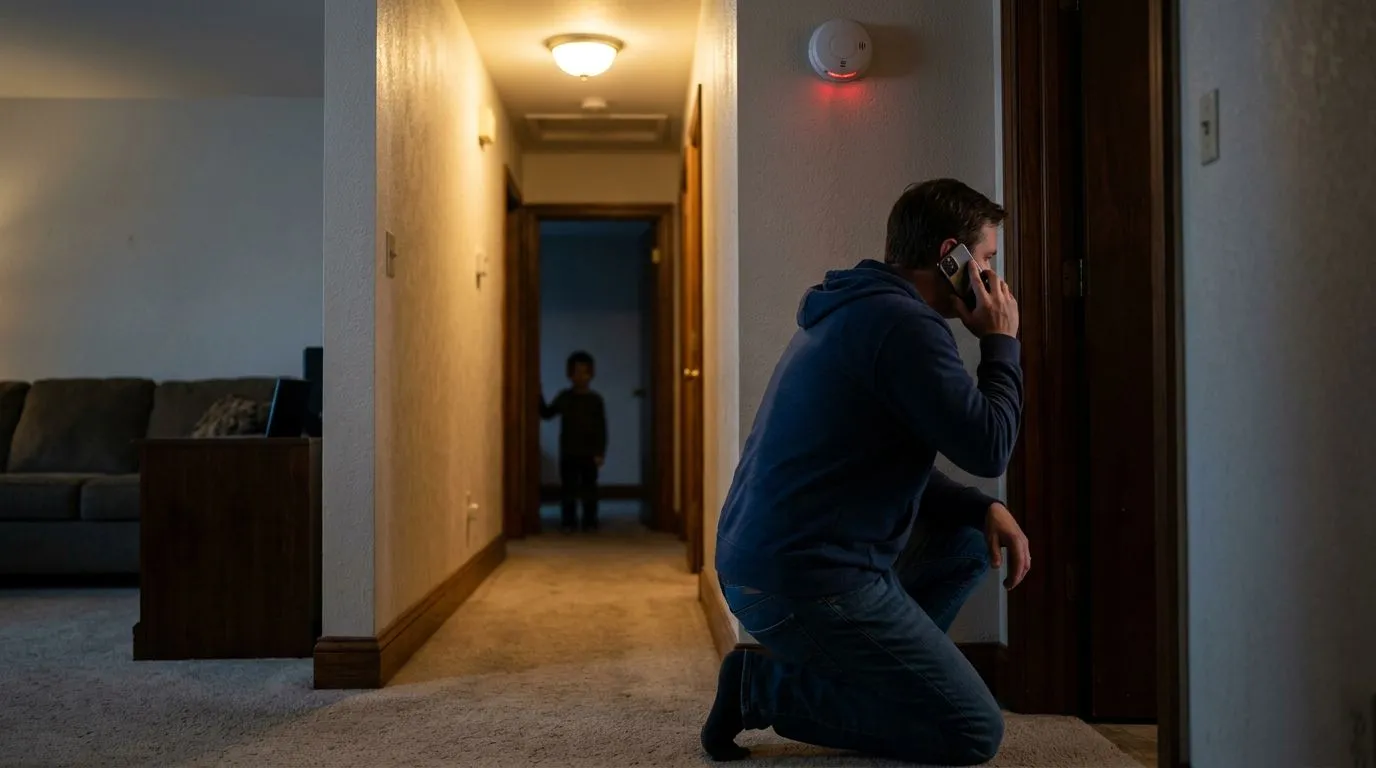
That matters because prayer is spiritual support, not a substitute for wise action. If someone is threatening you, if a child is missing, if there is smoke, fire, or a medical crisis, the faithful response is to move quickly and pray at the same time.
Acts 16:22-40 is a strong reminder that God is present in crisis, but the prison story also shows that danger is real and events unfold under pressure. The practical lesson is simple, pray while you act, not instead of acting.
A prayer you can use today
Lord God, You are my refuge, my fortress, and my shelter. I ask You to place Your protection over me and over my family today, over our coming and going, our home, our health, our sleep, and every step we take.

Keep us safe from evil, from harm, and from fear. Give us a sound mind, steady faith, and peace in our hearts, and help us trust You even when we do not understand what is ahead.
Cover our family with Your care, guide us with Your wisdom, and help us walk in Your presence. In Jesus’ name, amen.
What makes this kind of prayer stronger over time?
It becomes stronger when you return to it daily and let the same truths shape your habits. Many Christians also find it helpful to pray in the morning, again at night, and whenever fear rises, because repetition can train the heart to turn to God first.
That steady practice is reflected in the way prayer is used across Christian teaching and devotional life, including resources from UP Seminary, Ligonier Ministries, Air1, Guideposts, and the Church of England. The common thread is not a formula, but a confident return to God’s care.
What should you remember when you pray for protection over your family?
You should remember that the best prayer for protection is specific, Scripture-shaped, and matched with wise action when needed. Ask God for His covering, speak His promises over your home, and move quickly if there is any immediate threat, because faith and prudence belong together.
Frequently asked questions
Can I pray for protection for my children every day?
Yes. Many Christians pray daily for their children’s safety, peace, and faith, and a simple prayer can name specific needs like school, travel, bedtime, or hard decisions. Daily prayer also helps you return to God morning and night instead of only praying when fear spikes.
Should I use a Bible verse in my protection prayer?
Yes, you can, and Scripture can give your prayer shape and confidence. Psalm 91 is often used for refuge and shelter, Psalm 23 steadies the heart, and Matthew 6:13 keeps the prayer centered on Jesus’ own words. Passages like Deuteronomy 31:8, Hebrews 13:5, and 2 Timothy 1:7 are especially helpful when fear feels strong.
What if I still feel afraid after praying?
Keep praying, breathe slowly, and take the next wise step in front of you. Prayer can calm your heart, but it should go hand in hand with action if there is real danger, injury, or a medical emergency. If you are unsafe, call 911 or local emergency services right away.
Is it okay to pray for protection over my home?
Yes. Christians often pray over their homes, asking God for peace, safety, and His presence in every room and at every entrance. You can also name specific concerns like coming and going, sleep, family life, and anything that feels unsettled in the house.


A Powerful Prayer for a Secure and Successful Future
A powerful prayer for a secure and successful future can bring peace when tomorrow feels uncertain. Questions about your family, career, finances, health, and…

A Powerful Prayer for Your Children’s Education and Future
A powerful prayer for your children’s education and future can help you place their learning, decisions, dreams, and challenges in God’s loving hands. Parents…

A Powerful Prayer for Anxiety, Stress, and Peace of Mind
A powerful prayer for anxiety, stress, and peace of mind can help you turn to God when your thoughts feel overwhelming and your heart cannot find rest. In mome…

A Powerful Prayer for Guidance When You Feel Lost
When uncertainty clouds your thoughts and every path seems confusing, a powerful prayer for guidance when you feel lost can help you slow down, seek God’s pres…